

How to Store Olive Oil Properly – Tips to Maintain Freshness and Prevent Oxidation
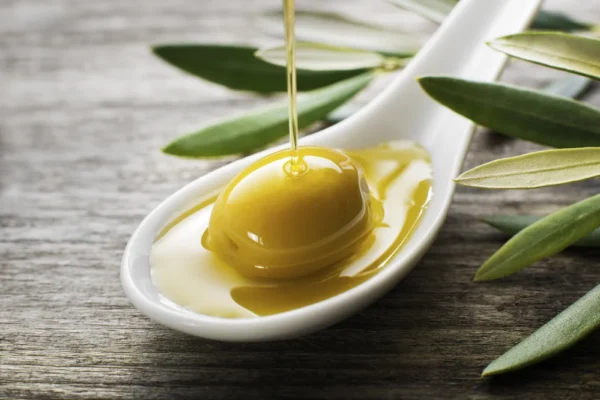
Olive oil, often referred to as the “liquid gold,” is a culinary staple cherished for its flavor and health benefits. However, improper storage can lead to oxidation, resulting in rancid oil that lacks the aromatic qualities we all love. In this blog post, we will explore the best practices for storing olive oil to preserve its freshness and flavor, ensuring it remains an enriching addition to your meals.
Understanding Olive Oil and Its Sensitivity
Before we delve into storage methods, it’s important to understand why olive oil is sensitive to its environment:
- Olive oil is comprised of various organic compounds, including polyphenols and fatty acids, which are sensitive to light, heat, and air.
- When exposed to these elements, olive oil undergoes oxidation, leading to a decline in flavor and nutritional benefits.
- Storing olive oil improperly can reduce its shelf life significantly, making it crucial to adopt effective storage techniques.
Ideal Storage Conditions for Olive Oil
To maintain the rich flavor and health benefits of olive oil, consider the following storage conditions:
1. Choose the Right Container
The container you use plays a critical role in protecting olive oil from external factors:
- Opt for dark glass or stainless steel containers, as they block harmful UV rays that lead to oxidation.
- Avoid plastic, as it can leach chemicals into the oil over time.
- Ensure the container has an airtight seal to prevent air exposure.
2. Control Temperature
Olive oil should be stored in a cool, stable environment:
- Aim for a storage temperature between 60°F and 75°F (15°C – 24°C).
- Avoid storing olive oil near heat sources such as stoves or in warm areas like garages.
- Consider using a cellar or pantry that maintains consistent temperature.
3. Shield from Light and Air
Minimizing exposure to light and air will extend the life of your olive oil:
- Keep the bottle tightly sealed when not in use.
- Store the oil in a dark place or in a pantry with lower light exposure.
- For popular bottles, consider additional coverings such as opaque bags or wrapping.
When to Replace Your Olive Oil
Even with proper storage, olive oil does not last indefinitely. Here’s what to look for regarding freshness:
- Smell: Rancid olive oil can have a harsh smell reminiscent of crayons or putty.
- Taste: Upon tasting, stale oil may exhibit a flat or bitter flavor devoid of the peppery and fruity notes associated with fresh oil.
- Expiration Date: Always check the label for a best-before date; typically, olive oil is best used within 18-24 months of bottling.
Conclusion
With just a few simple steps, you can ensure that your olive oil retains its rich flavor and numerous health benefits. By understanding the sensitivity of olive oil to light, heat, and air, you can create an ideal storage environment that will make a world of difference in your culinary adventures. Remember, the right storage not only enhances flavor but contributes to a healthier lifestyle. Embrace these tips and enjoy your next meal drizzled with nothing but the best olive oil!