

Unlocking the Secrets of Olive Oil:
The Quest for Polyphenols
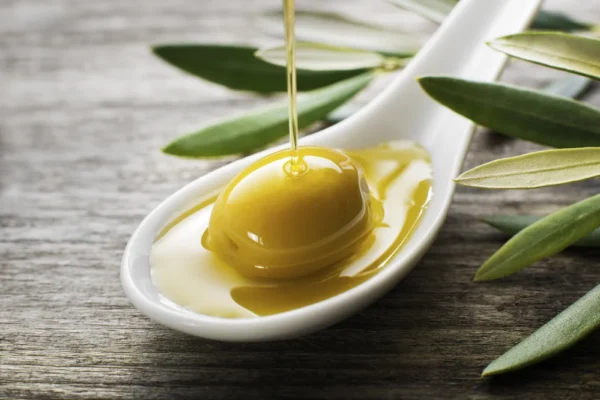
Olive oil is much more than a mere cooking ingredient; it’s a staple of the Mediterranean diet revered for its culinary and health benefits. Among the myriad of compounds found in olive oil, polyphenols are of particular interest due to their impressive antioxidant properties. This blog explores which types of olive oil boast the highest polyphenol levels, why these compounds are essential for your health, and how to select the best olive oil for your needs.
Understanding Polyphenols
Polyphenols are natural compounds found in plants that provide numerous health benefits. They possess powerful antioxidant properties, which help combat oxidative stress and may play a role in reducing the risk of chronic diseases, such as cardiovascular disease and certain cancers. Notably, olive oil is exceptionally rich in a specific type of polyphenol known as hydroxytyrosol, which is celebrated for its high antioxidant capacity.
Health Benefits of Polyphenols in Olive Oil
- Anti-inflammatory effects that may help alleviate chronic pain.
- Support for heart health by improving cholesterol levels and reducing blood pressure.
- Potential protection against neurodegenerative diseases such as Alzheimer’s.
- Support for healthy skin through antioxidant action.
Which Olive Oils Have the Most Polyphenols?
When it comes to polyphenol content, not all olive oils are created equal. Extra virgin olive oil (EVOO) typically ranks the highest due to its method of extraction, which retains most of the beneficial compounds. Below are some key factors to consider:
Factors Influencing Polyphenol Levels
- Olive Variety: Different olive cultivars have varying polyphenol concentrations. For example, Koroneiki and Picual olives are known for their high polyphenol levels.
- Harvest Time: Early-harvest olives generally contain higher polyphenol concentrations.
- Production Method: The method of extraction—cold-pressed vs. heat extraction—can significantly affect the polyphenol content.
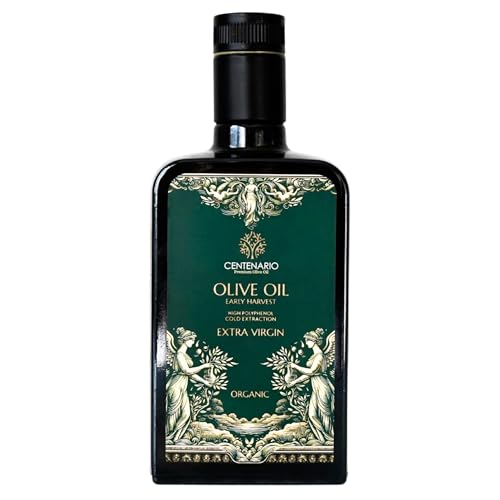

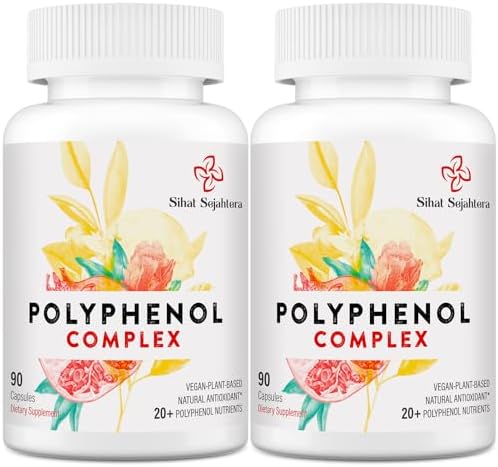


How to Select High-Polyphenol Olive Oil
To maximize the health benefits of olive oil, choosing one that is high in polyphenols is crucial. Follow these tips:
- Look for extra virgin olive oil on the label.
- Check the harvest date—freshness boosts polyphenol levels.
- Select oils from regions known for quality, such as Greece, Italy, or Spain.
- Consider brands that provide polyphenol content information on the label. Some may undergo laboratory testing to quantify these values.
Conclusion
In conclusion, the search for olive oils rich in polyphenols is not merely a culinary endeavor but a step towards enhancing overall health. By understanding the factors that contribute to polyphenol content and choosing the right type of olive oil, you can harness the full potential of this incredible oil. As consumers, it is critical to prioritize quality and knowledge—your body will thank you for it.