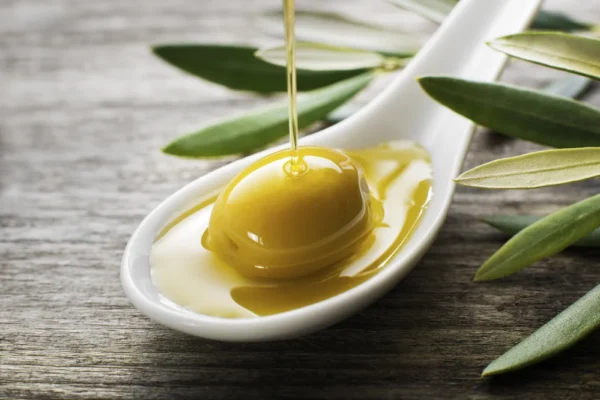


Olive Oil Myths and Misconceptions
Olive oil is often referred to as liquid gold, and for good reason! It’s a key ingredient in Mediterranean diets and is lauded for its health benefits. But with all the hype, there are tons of myths swirling around about this beloved oil. Today, we’re diving into some of these myths and misconceptions to uncover the truth.
Myth #1: All Olive Oil is the Same
If you think all olive oils come from the same source and are of the same quality, think again! There are various grades of olive oil, and understanding the differences can impact both your health and your taste buds.
- Extra Virgin Olive Oil – The highest quality, made from pure, cold-pressed olives without any processing.
- Virgin Olive Oil – Slightly lower quality, still made from olives but may have a higher level of acidity.
- Olive Oil – A blend of refined and virgin oils, which might lack the robust flavor.
Myth #2: Olive Oil Can’t Be Used for Cooking
Another common myth is that olive oil isn’t suitable for cooking at high temperatures. Some people believe it will produce unhealthy smoke and lose its health benefits. However, here’s the real scoop:
- Olive oil has a high smoke point (around 375-405°F), making it excellent for sautéing.
- The antioxidants in olive oil actually help protect it from oxidation when heated.
- Using olive oil can add a depth of flavor that other oils can’t match!
Myth #3: Olive Oil is Unhealthy Due to Its Fat Content
It’s true that olive oil is high in fat, but not all fats are created equal! The primary fat found in olive oil is oleic acid, a monounsaturated fat that is actually considered heart-healthy. Here are some benefits of consuming olive oil:
- Heart Health: Can reduce the risk of heart disease.
- Anti-Inflammatory: Contains antioxidants that fight inflammation.
- Weight Management: May help regulate metabolism and promote a healthy weight.
Myth #4: The Taste of Olive Oil Doesn’t Matter
If you’re thinking, “Aren’t they all just oil?” you’re missing out! The taste of olive oil can vary significantly based on its origin and processing. Here’s why you should care:
- Freshness is key—a great olive oil should taste fruity, slightly bitter, and peppery.
- Different regions produce different flavor profiles—greek oils can be robust, while italian oils may be milder.
- Always opt for dark glass bottles or tins to protect the oil from light and preserve flavor.
Conclusion: Choosing Wisely
Now that we’ve debunked some of the top myths around olive oil, you can confidently choose the right one for your kitchen! Remember to:
- Look for extra virgin when buying olive oil.
- Don’t shy away from cooking at higher temperatures.
- Enjoy the flavors and make sure you’re choosing high-quality oils to reap the health benefits!
So, next time you’re drizzling olive oil on your salad or using it to sauté veggies, remember the facts and enjoy every drop of this nutritious and delicious oil!