
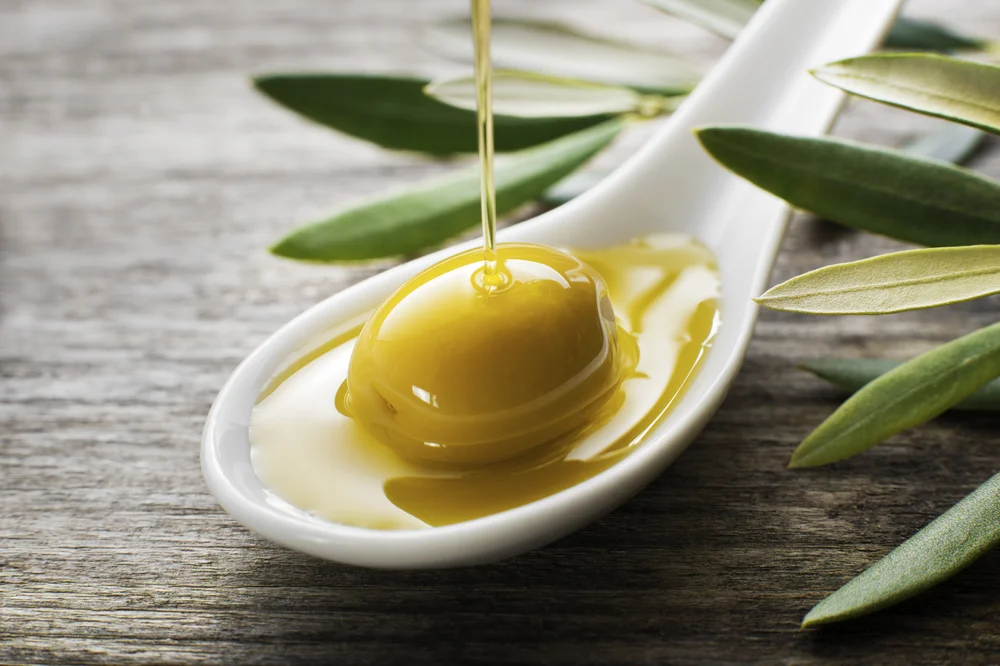
Olive oil, a staple of the Mediterranean diet, has been cherished for thousands of years, tracing its origins back to ancient civilizations in the Mediterranean basin. Its preparation involves pressing olives, and the resultant oil has been revered not only for its culinary applications but also for its purported health benefits. The types of olive oil available are classified mainly into three categories: virgin, extra virgin, and refined.
Extra virgin olive oil is regarded as the highest quality, as it is derived from the first cold pressing of olives, ensuring minimal processing and retaining the oil’s natural flavors and nutrients. This variety boasts a rich taste and is packed with antioxidants and healthy fats, particularly oleic acid, making it a favored choice among health-conscious consumers. Virgin olive oil, while also extracted from the first pressing, may have slight sensory defects, yet it still contains beneficial properties. Refined olive oil undergoes further processing to neutralize strong flavors and remove impurities. Though it has a higher smoke point ideal for cooking, it lacks the robust taste and nutritional benefits found in its unrefined counterparts.
Integrating olive oil into one’s diet aligns with the principles of the Mediterranean lifestyle, which emphasizes the consumption of plant-based foods, whole grains, and healthy fats. This diet, enriched with olive oil, is linked to numerous health benefits, including reduced inflammation and lower risks of chronic diseases. The significance of olive oil, especially extra virgin, cannot be overstated in promoting health and well-being. Understanding its origins and types forms the foundation for delving deeper into its health benefits, particularly the role of oleic acid within this golden liquid.
Understanding Oleic Acid
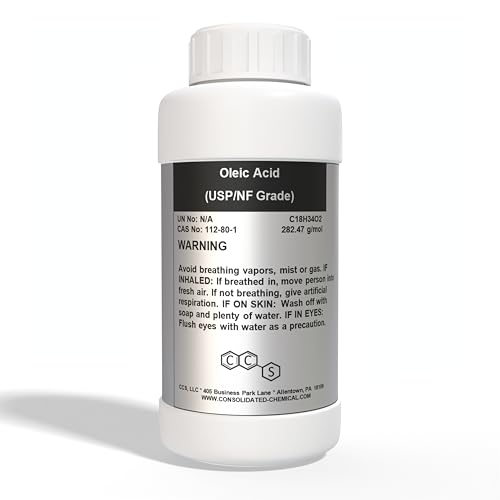
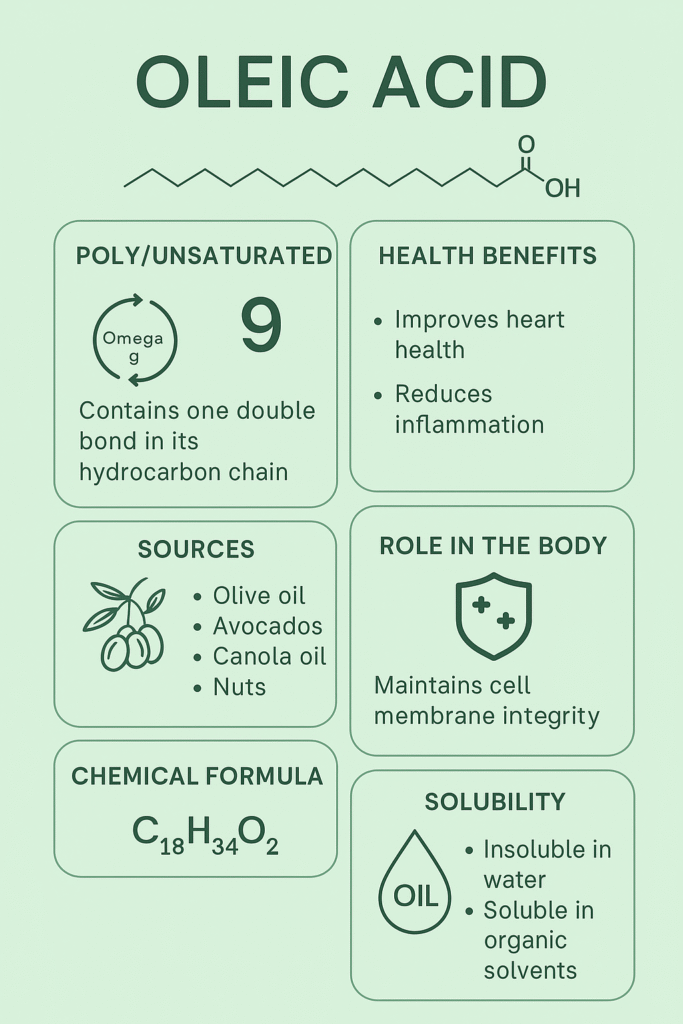
Oleic acid is a monounsaturated fatty acid that plays a significant role in both human health and nutrition. It is characterized by its chemical structure, which consists of an 18-carbon chain with one double bond located at the ninth carbon atom from the methyl end. This specific arrangement categorizes oleic acid as an unsaturated fat, distinguishing it from saturated fatty acids, which have no double bonds in their carbon chains.
One of the most prominent sources of oleic acid is olive oil, where it commonly constitutes 55% to 83% of its total fatty acid content. Beyond olive oil, oleic acid is also naturally found in various foods such as avocados, nuts, and certain seeds. These dietary sources contribute to its prevalence in the Mediterranean diet, which is associated with enhanced cardiovascular health and other health benefits. The consumption of oleic acid has been linked to improved cholesterol levels, with studies indicating that it may help in elevating high-density lipoprotein (HDL) levels while lowering low-density lipoprotein (LDL) levels in the bloodstream.
The significance of oleic acid extends beyond its impact on lipid profiles. Research suggests that it possesses anti-inflammatory properties, which can contribute to reduced risks of chronic diseases. This fatty acid may also improve insulin sensitivity, which is vital for the management of blood sugar levels, thus holding particular importance for those at risk of type 2 diabetes. Furthermore, oleic acid contributes to maintaining the health of cell membranes, which is essential for overall cellular function.
Incorporating oleic acid-rich foods into one’s diet not only enhances flavor but also offers substantial health benefits. Emphasizing the role of oleic acid in nutrition underscores the importance of choosing healthy fats in dietary practices. Its presence as a natural compound in various foods further establishes oleic acid as an essential element in promoting optimal health.

![Oleic Acid [C18H34O2] 100% Pure GP Grade Liquid in 24 Oz in Three...](https://m.media-amazon.com/images/I/512MDa47qBL.jpg)

Health Benefits of Olive Oil
Olive oil, particularly extra virgin olive oil, has been widely studied for its numerous health benefits, making it a staple in many diets around the world. Rich in monounsaturated fats, predominantly oleic acid, it is known for its anti-inflammatory properties. Several clinical studies have demonstrated that regular consumption of olive oil can reduce markers of inflammation in the body, which is crucial for managing chronic diseases. Research published in the American Journal of Clinical Nutrition highlights that diets high in olive oil can lower inflammation levels, thus reducing the risk of various health complications.
Beyond its anti-inflammatory effects, olive oil is also highly regarded for its benefits to heart health. The Mediterranean diet, which emphasizes the use of olive oil as a primary fat source, has been associated with a lower incidence of cardiovascular diseases. A pivotal study in the New England Journal of Medicine found that individuals following this diet experienced significantly reduced rates of heart attacks and strokes. The heart-protective effects of olive oil are largely attributed to its ability to improve cholesterol levels. It can increase high-density lipoprotein (HDL) cholesterol while simultaneously lowering low-density lipoprotein (LDL) cholesterol, thus contributing to better cardiovascular health.
Additionally, olive oil is linked to various protective mechanisms against diseases such as diabetes and certain types of cancer. The oleic acid present in olive oil has shown promise in enhancing insulin sensitivity, thereby aiding in diabetes management. Moreover, the antioxidant compounds found in olive oil, including polyphenols, have been studied for their potential role in cancer prevention by combating oxidative stress and inflammation in the body. The World Health Organization recommends incorporating olive oil into a balanced diet to maximize these numerous health benefits and promote overall well-being.
The Role of Oleic Acid in Heart Health
Oleic acid, a monounsaturated fatty acid predominantly found in olive oil, plays a significant role in promoting cardiovascular health. Numerous studies indicate that oleic acid can have a positive impact on cholesterol levels. Specifically, it has been shown to lower levels of low-density lipoprotein (LDL), often referred to as “bad” cholesterol, while simultaneously increasing high-density lipoprotein (HDL), known as “good” cholesterol. This favorable alteration in lipid profiles contributes to a reduced risk of coronary artery disease and other heart-related conditions.
In addition to its cholesterol-regulating effects, oleic acid contributes to the maintenance of arterial health. Consuming oleic acid-rich foods, such as extra virgin olive oil, has been associated with improved endothelial function. The endothelium is the thin layer of cells lining the blood vessels, playing a crucial role in vascular health. Enhanced endothelial function means better regulation of blood flow and reduced risk of hypertension, which is a risk factor for heart disease.
Research also suggests that oleic acid possesses anti-inflammatory properties, which further support heart health. Chronic inflammation is a known contributor to atherosclerosis, the buildup of plaques in the arteries that can lead to heart attacks and strokes. By mitigating inflammation, oleic acid may discourage the progression of this condition, promoting overall cardiovascular function.
Moreover, incorporating oleic acid into the diet has been linked to improved heart function. A diet enriched with this monounsaturated fatty acid can enhance heart contractility and reduce the risk of cardiac-related events. In summary, oleic acid is an essential component of a heart-healthy diet, contributing to favorable cholesterol profiles, maintaining arterial health, and reducing inflammation, making it a critical factor in promoting cardiovascular well-being.
Olive Oil vs. Other Fats: A Comparative Analysis
The choice of cooking fats can significantly influence dietary health, and this comparative analysis highlights how olive oil stands out against other commonly used fats such as butter, canola oil, and coconut oil. Primarily, olive oil is known for its high monounsaturated fat content, particularly oleic acid, which is associated with various health benefits. In contrast, butter contains higher levels of saturated fats, which can raise LDL cholesterol levels when consumed in excess, potentially increasing cardiovascular disease risk.
When examining canola oil, it is important to note that while it is also low in saturated fats and contains omega-3 fatty acids, its extraction process often involves chemical refining, which can diminish its nutritional quality. Olive oil, especially extra virgin varieties, is produced through mechanical means, preserving its antioxidant properties and beneficial compounds that contribute to heart health. Additionally, the anti-inflammatory properties of oleic acid in olive oil further enhance its health profile, making it a superior choice over canola oil.
Turning to coconut oil, while it has gained popularity for its purported health benefits, it is predominantly composed of saturated fats, which can potentially counteract the heart-protective effects that olive oil provides. Furthermore, the metabolic pathways of coconut oil are markedly different, as it primarily contains medium-chain triglycerides (MCTs), which are metabolized differently than the monounsaturated fats found in olive oil.
In culinary settings, olive oil offers distinct advantages, including a high smoke point, which makes it suitable for various cooking methods without producing harmful compounds. It also lends a robust flavor to dishes, adding depth that butter or refined oils may lack. Overall, the nutritional advantages, health benefits, and culinary versatility of olive oil position it as a formidable contender among cooking fats, warranting consideration in dietary choices.
Incorporating Olive Oil into Your Diet
Integrating olive oil into your daily meals can significantly enhance not only flavor but also nutritional value. One of the simplest ways to start is by using olive oil as a cooking medium. Its high smoke point makes it suitable for various cooking methods, including sautéing, roasting, and grilling. This healthy fat can replace less beneficial oils and fats in many recipes, contributing to heart health and overall wellness.
When sautéing vegetables, consider drizzling some extra virgin olive oil over your favorite ingredients. Not only will it add depth to the flavor, but it also helps to unlock the essential nutrients present in the vegetables. Roasting seasonal vegetables with olive oil can enhance their natural sweetness while providing a crisp texture. For grilling, marinating proteins in olive oil can result in tender and juicy meals. The oleic acid found in olive oil promotes better nutrient absorption, making every bite beneficial for your health.
For those who prefer raw consumption, olive oil can be an exciting addition to salads. A simple vinaigrette made with olive oil, vinegar, and herbs can elevate the taste of a basic salad. Additionally, drizzle it over fresh vegetables or cooked grains for an extra layer of flavor. Explore different pairings by incorporating olive oil into Mediterranean dishes, such as drizzling it over hummus or using it as a dip for crusty bread.
Incorporating olive oil into various cuisines is an excellent way to experiment with its versatility. Asian-inspired stir-fries can benefit from a light touch of olive oil, while Italian pasta dishes can achieve new heights of flavor with its rich, fruity characteristics. Using olive oil creatively allows you to enjoy its distinctive taste and numerous health benefits daily.
Choosing Quality Olive Oil
When it comes to harnessing the health benefits of olive oil, particularly its key component oleic acid, selecting a high-quality product is crucial. The first step in this process involves understanding the different grades of olive oil. Extra virgin olive oil is the highest standard and is produced through cold pressing, preserving its natural flavors and health properties. Avoid opting for lower grades, such as pure or refined olive oil, which often undergo chemical processes that strip the oil of its beneficial nutrients.
Another important factor when choosing olive oil is the labeling. Authentic extra virgin olive oil should carry a seal of quality, indicating it has passed rigorous testing for purity and production standards. Look for labels that specify the origin of the olives, as oils from specific regions, such as Tuscany or Southern Spain, can denote higher quality. It is advisable to choose products that indicate the harvest date; fresher oils tend to have a higher concentration of antioxidants and can deliver better health benefits.
Consumers should also be cautious about the packaging of olive oil. Dark glass bottles or tins help protect the oil from light exposure, which can lead to rancidity and a decline in flavor and nutritional value. Clear or plastic containers should be avoided, as they do not offer the same level of protection against degradation. Additionally, be wary of labels that claim an oil is “light” or “healthy” without significant information on the oil’s quality. These terms can often mislead buyers and indicate a processed product rather than pure olive oil.
In summary, choosing quality olive oil requires attention to grading, labeling, packaging, and storage practices. By following these guidelines, consumers can ensure they are purchasing a superior product that supports their wellness journey through the many benefits of oleic acid and olive oil.
Myths and Misconceptions about Olive Oil and Oleic Acid
Olive oil and its prominent component, oleic acid, have gained considerable attention for their health benefits. However, various myths and misconceptions persist, which can lead to confusion among consumers. One common myth is that olive oil becomes harmful when heated. While it is true that any oil can degrade at excessive temperatures, research indicates that olive oil has a relatively high smoke point, making it suitable for sautéing and baking. Its high antioxidant content actually helps to stabilize it under heat, challenging the notion that using olive oil for cooking is risky.
Another misconception is that all fats are inherently bad for health. This assumption neglects the crucial distinction between trans fats and healthy fats, such as those found in olive oil. Oleic acid, the primary monounsaturated fatty acid in olive oil, has been associated with various health benefits, including improved heart health and reduced inflammation. It is essential to recognize that including healthy fats in one’s diet can contribute to overall well-being when consumed in moderation.
Furthermore, some debates focus on whether consuming olive oil leads to weight gain. While it is indeed calorie-dense, replacing harmful fats with healthy olive oil can actually support weight management. Studies suggest that diets rich in olive oil and oleic acid can promote feelings of satiety, potentially aiding in weight control rather than fostering weight gain.
Lastly, there is a belief that all olive oils are created equal. In reality, the quality of olive oil can vary significantly based on the extraction methods and the grade. Extra virgin olive oil, for instance, provides the highest concentration of beneficial compounds, while lower grades may lack the same health benefits. Understanding these nuances is essential for consumers seeking to harness the full potential of olive oil and oleic acid in their diets.
Conclusion: The Takeaway on Olive Oil and Oleic Acid
As explored throughout this blog post, olive oil and oleic acid play a crucial role in promoting overall health and wellness. Their rich content of monounsaturated fatty acids, particularly oleic acid, is associated with a myriad of benefits that can positively impact various aspects of health, including heart health, inflammation reduction, and even potential cancer-fighting properties. These attributes position olive oil as a staple in a balanced diet, especially in Mediterranean cuisine, which is often heralded for its health benefits.
The antioxidant properties of olive oil, derived from its phytochemicals, further enhance its status as a healthful addition to meals. These compounds combat oxidative stress in the body and may contribute to lower risks of chronic diseases. Additionally, both olive oil and oleic acid possess anti-inflammatory effects, which can assist in managing conditions such as arthritis and cardiovascular diseases. Incorporating these elements into daily culinary practices is encouraged not only for their health benefits but also for their unique flavor profiles that can elevate a variety of dishes.
Furthermore, the versatility of olive oil cannot be overstated. It can be utilized not just as a dressing for salads, but also as a cooking oil for sautéing, roasting, and baking. Its suitability across different cooking methods makes it an indispensable ingredient in the kitchen. As people continue to seek healthier dietary options, the inclusion of olive oil and oleic acid becomes increasingly relevant. Ultimately, embracing olive oil and oleic acid in one’s diet can offer substantial health benefits and contribute to a more wholesome lifestyle.