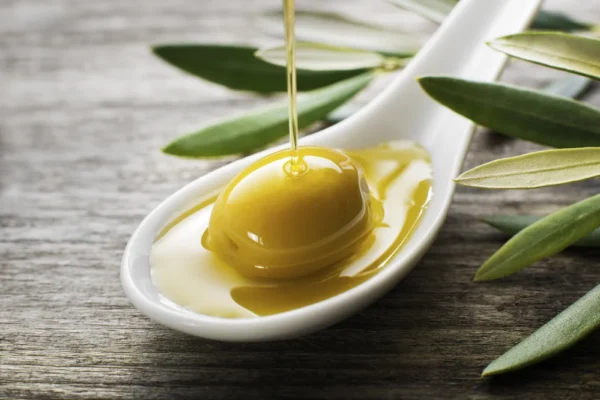


The Ultimate Guide to Understanding the Differences Between Extra Virgin and Regular Olive Oil
Olive oil is an essential staple in cuisines around the world, celebrated not only for its delightful flavor but also for its numerous health benefits. However, when it comes to purchasing olive oil, consumers often face a common dilemma: What is the difference between extra virgin and regular olive oil? In this comprehensive guide, we will delve deep into the distinctions, uses, and benefits of these two types of olive oil to equip you with the knowledge you need for your culinary adventures.
What Is Olive Oil?
Olive oil is derived from the fruit of the olive tree, known scientifically as Olea europaea. The oil is extracted through various methods, with two primary grades being recognized globally: Extra Virgin Olive Oil (EVOO) and regular or refined olive oil.
The Gold Standard: Extra Virgin Olive Oil
Extra Virgin Olive Oil is the highest quality olive oil available. What sets it apart? Here are some defining characteristics:
- Cold-pressed method: EVOO is made from the first pressing of olives without the use of heat or chemicals, ensuring it retains its natural flavors and nutrients.
- Low acidity: It must have an acidity level of less than 0.8%. Lower acidity indicates a higher quality oil.
- Flavor profile: Rich, robust, and often fruity, with a peppery finish, extra virgin olive oil delivers a unique taste experience.
- Health benefits: Packed with antioxidants and healthy fats, EVOO is recognized for its heart-healthy properties, reducing inflammation and lowering the risk of chronic diseases.
Regular Olive Oil: What You Need to Know
Regular olive oil, often labeled simply as “olive oil,” comprises a blend of refined olive oil and a smaller proportion of virgin olive oil. Here are its key aspects:
- Refining process: Regular olive oil undergoes refining, which involves heating and chemical processes to remove impurities and enhance flavor stability.
- Higher acidity: This type can have a higher acidity level compared to extra virgin olive oil, with some variants reaching up to 1.5% acidity.
- Milder flavor: The refining process results in a more neutral taste, which may not impart the desired flavor in gourmet dishes.
- Cooking versatility: While it’s not as rich in nutrients as EVOO, its high smoke point makes it suitable for various cooking techniques, including frying and sautéing.


How to Choose the Right Olive Oil for Your Needs
1. Consider Your Cooking Methods
When selecting olive oil, consider the method of cooking:
- High-heat cooking: For frying or baking, regular olive oil may be a better choice due to its higher smoke point.
- Salad dressings and drizzling: For raw applications, always opt for extra virgin olive oil to enhance flavor and health benefits.
2. Check the Label
Quality can vary significantly among brands. Look for labels that specify:
- Cold-pressed: A sign of higher quality.
- Harvest date: Fresher oils tend to have better flavor and health benefits.
- Certifications: Look for seals from reputable organizations that ensure quality standards.
3. Taste Testing
The best way to determine which olive oil you prefer is to taste it! Visit local markets or specialty shops where you can sample different varieties.
Conclusion: Choose Wisely and Enjoy!
Understanding the key differences between extra virgin and regular olive oil empowers you to make informed choices for your kitchen. While extra virgin olive oil stands out for its unparalleled taste and health benefits, regular olive oil serves its purpose in various cooking applications. Whether you’re drizzling a salad, sautéing vegetables, or frying chicken, each type has its place in your culinary repertoire.
So, go ahead, explore the world of olive oil, and let it elevate your meals to new heights! Remember, the right choice not only enhances flavor but also contributes positively to your health.